
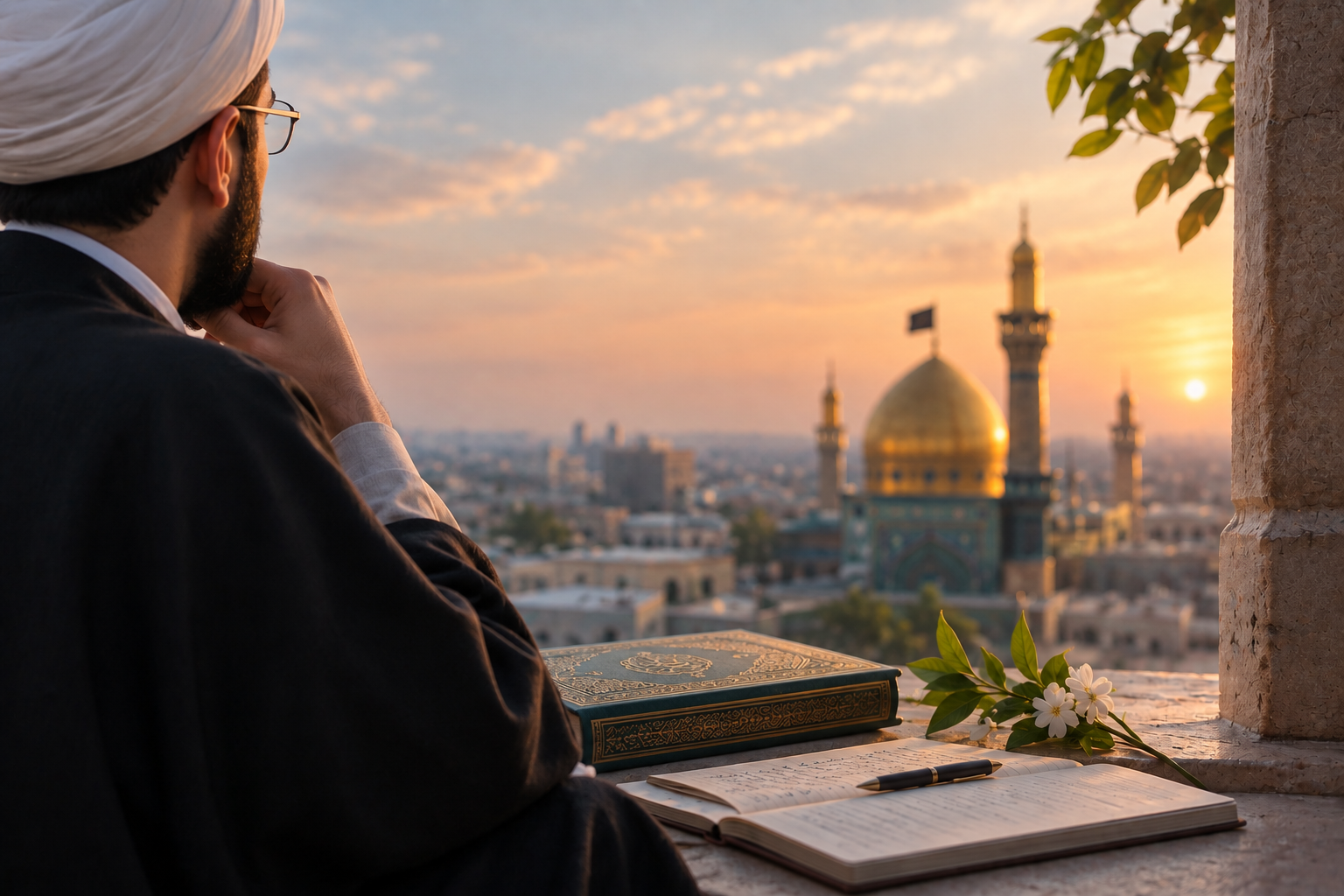

What Is Not Worth Loving?
A reflection on dignity and moral strength from Imam Hasan al-Askari (peace be upon him) If you could cultivate just one quality in a person, one quality that could serve them throughout their entire life, what would you choose?Perhaps you would say honesty. After all, if lying is the key


An Unpleasant Demeanor
By: Ayatollah Nasir Makarim Shirazi The Prophet Muhammad (S) stated, “O’ ‘Ali! Repentance is available for every sin except for having a bad demeanor, because whenever a person with an unpleasant demeanor abandons one sin, they fall into another.” In this saying, the Noble Prophet (S) highlights the perilous impact
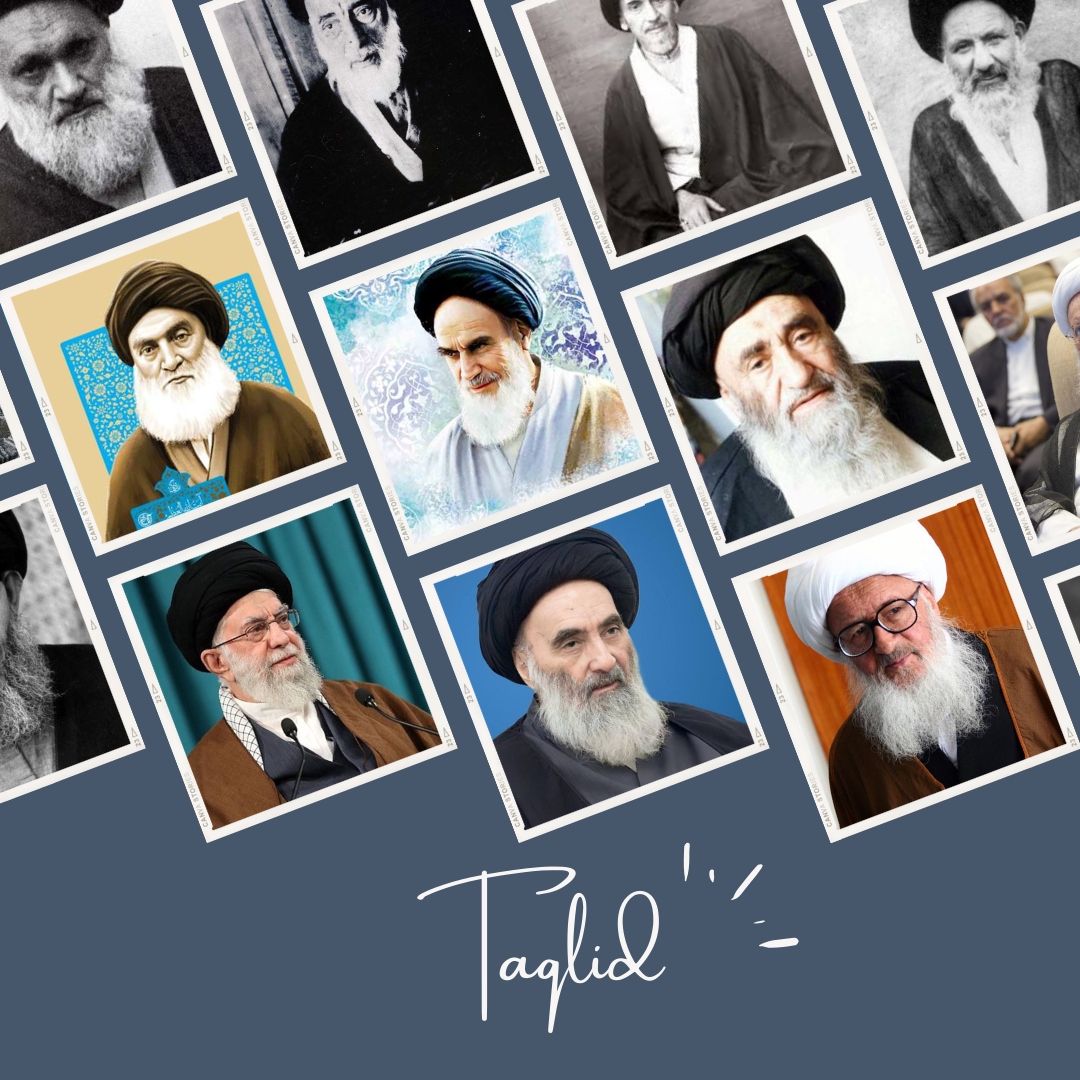
Understanding Taqlid: Is Following a Single Marja‘ Necessary?
IntroductionIn Islamic jurisprudence, Taqlid (following a religious authority) has long been a fundamental practice among Shia Muslims. Traditionally, this has meant adhering to the rulings of a single marja‘ (juridical authority). However, in contemporary discussions, an alternative perspective suggests that individuals could follow multiple scholars based on reasoned analysis. This

The Virtues of Ahlul-Bayt (as): Acting by His Will
One of the prominent characteristics of the Ahl al-Bayt (as), highlighted in religious texts and authentic Ziyarahs, is their complete submission to the divine will in all their actions and behaviors. This virtue underscores the unique position of the Ahl al-Bayt in the order of existence and their role as

The Virtues of Ahlul-Bayt (as): Angelic Presence
The virtue of being “The site of angelic comings and goings” (مختلف الملائکه) is one of the remarkable attributes of the Ahl al-Bayt (as), reflecting their unparalleled position in both the unseen and visible realms. This distinction highlights the unique and ongoing connection between the Ahl al-Bayt and the angels
Taqwa: Core of Islamic Teachings
Recognition is the first and most essential practical duty of every Muslim. This foundational concept clarifies priorities, guiding individuals to channel their energy, focus, and attention toward what truly matters. In Islam, fulfilling obligatory acts (wajibat) and avoiding prohibited ones (muharramat), based on the Qur’an and the teachings of Ahlul-Bayt

Managing Unpleasant Interactions
Human relationships and interactions often bring challenges, including bitter words, criticism, or unpleasant feedback. While such experiences naturally cause discomfort, Islamic teachings consider this sorrow unproductive. Believers are encouraged to transform these moments into opportunities for spiritual growth and inner peace. The infallible Imams (as) provide strategies to handle such

Grief and Sorrow: An Islamic Perspective
Throughout human history, the approach to grief and sorrow has often been characterized by extremes and absolutism. Some individuals, influenced by their worldview and lifestyle, strive to completely eradicate grief from their lives, refusing to coexist with it in any form. On the other hand, a minority not only avoid

Conditions for Acceptable Charity
In Islam, charity (Infaq) is considered one of the most virtuous acts of worship and social responsibility, reflecting adherence to divine teachings and commitment to ethical and humanitarian principles. The Qur’an highlights the importance of charity through beautiful and impactful similes, promising immense rewards for charitable acts. However, attaining these