1 Food beliefs
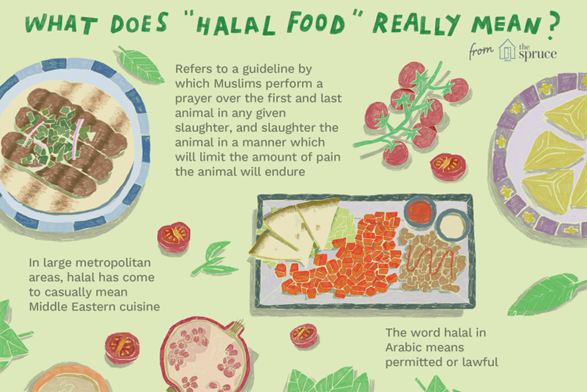
Islam has rules about the types of food which are permissible (halal) and those which are prohibited (haram) for Muslims. The main prohibited foods are pork and its by-products, alcohol, animal fats, and meat that has not been slaughtered according to Islamic rites. The main prohibited foods are pork and its by-products, alcohol, animal fats, and meat that has not been slaughtered according to Islamic rites.
While most prohibited foods are easy to identify, there are some foods which are usually halal that may contain ingredients and additives that can make them haram.
For example, foods made with vanilla essence are considered prohibited because vanilla essence contains alcohol. Other foods such as ice cream may contain pork by-products such as gelatine, which is considered haram.
2 Holy days
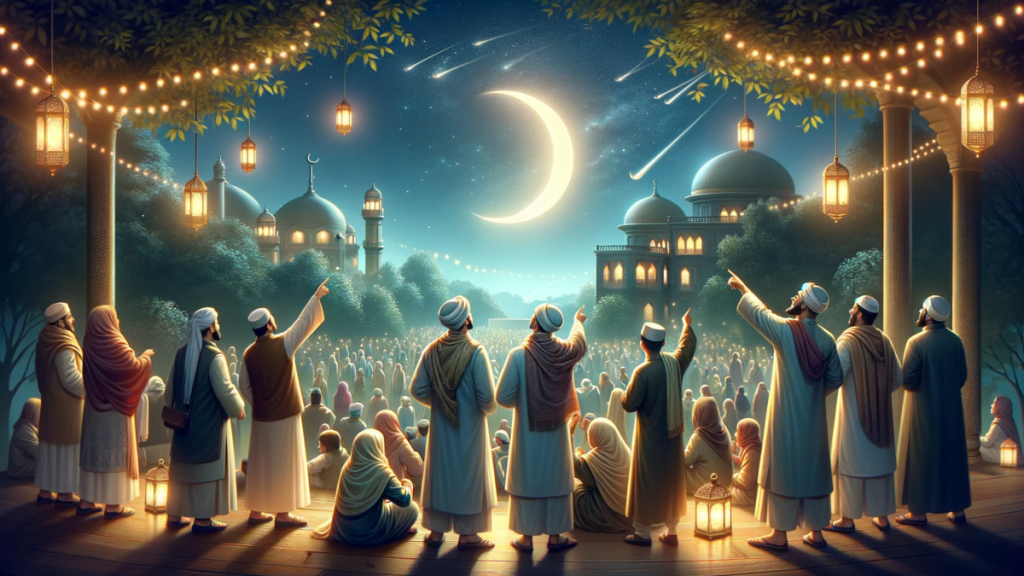
The two major festivals in the Islamic calendar are Id al-Fitr and Id al-Adha. Like festivals in other religions, these are a time for family reunion and special religious services. Muslim patients may wish to visit their homes during these times.
The holy month of Ramadhan is a spiritual month during which most Muslims fast. However, the young, old or sick are excused from fasting if it could be detrimental to their health. Ramadhan is the ninth month in the Islamic year, which follows a lunar calendar. Friday is a significant day to Muslims and a special prayer is performed at noon.
Ashura – An Islamic optional one day fast. The Shia observance is based on the martyrdom of Prophet Muhammad’s Grandson, Hussein(A.S), martyred on this date in 683/684 AD at the battle of Kerbala.
3 Fasting
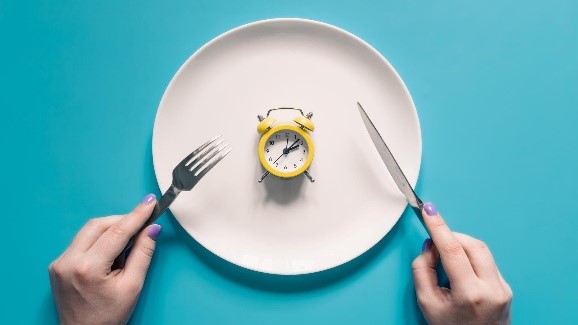
Fasting is an integral part of Islam and is seen as a means of purifying the body and the soul. While fasting during the month of Ramadhan is compulsory for all healthy, adult Muslims, Islam also prescribes other days which Muslims may choose to observe a voluntary fast. During Ramadhan, Muslims are not permitted to eat or drink anything, including water, from dawn until dusk. It is a practice for Muslims to consume a pre-dawn meal before fasting during the day.
Each individual is responsible for deciding whether to fast. Pregnant, breastfeeding or menstruating women, people who are experiencing a temporary illness and travellers are exempted from fasting, but must make up for the fast at a later date.
A person experiencing an ongoing illness is exempted from fasting and may offer fidyah (provide a meal to the poor) as an alternative.
4 Dress
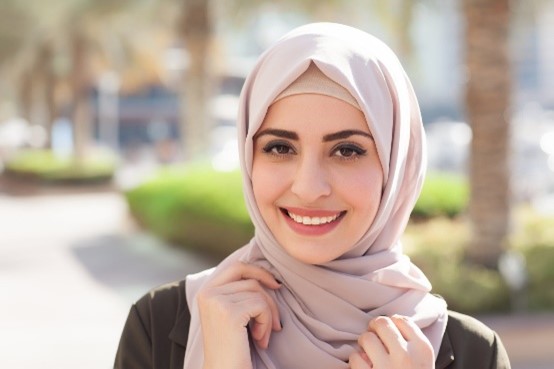
Islam requires both men and women to dress modestly when in public or in the presence of non-family members of the opposite sex.
For Muslim men, this usually means keeping the area between the navel and the knees covered, and for Muslim women, only the face, hands and feet are usually left exposed. This standard may not be followed by all Muslims. Some interpret the requirement for modesty to mean dressing modestly relative to the norms of the surrounding society.